Platform Coordination & Transaction Monitoring Analysis: 907485, 21630571, 453139016, 423550120, 601616516, 610253775

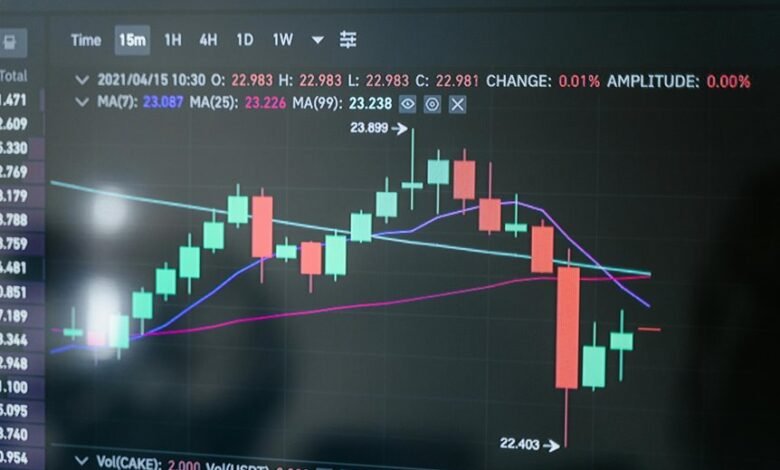
The analysis of platform coordination and transaction monitoring is critical for understanding how identifiers such as 907485, 21630571, 453139016, 423550120, 601616516, and 610253775 contribute to operational efficiency. These identifiers exemplify the intricate interplay of systems that facilitate transaction oversight. A closer examination reveals the nuances of effective monitoring techniques. However, the implications of these findings extend beyond mere transactions, hinting at broader impacts on compliance and security protocols.
Overview of Transaction Identifiers
Transaction identifiers play a crucial role in the realm of financial operations, serving as unique markers that facilitate the tracking and management of transactions across various platforms.
Different transaction types utilize distinct identifier formats, ensuring accuracy and accountability. These formats can vary by institution or system, highlighting the importance of standardization for seamless integration and efficient monitoring of financial activities in a decentralized environment.
Importance of Platform Coordination
Effective platform coordination is paramount in optimizing transaction processes across diverse financial systems. It fosters cross platform collaboration, ensuring that various systems communicate efficiently.
A cohesive approach facilitates seamless integration, reducing friction in transactions and enhancing user experience. By prioritizing coordination, organizations can achieve greater accuracy and speed in processing, ultimately benefiting stakeholders and promoting a more fluid financial ecosystem.
Techniques for Effective Transaction Monitoring
Monitoring transactions requires a systematic approach that incorporates various techniques to ensure compliance and detect anomalies.
Effective strategies include the implementation of real time alerts, which facilitate immediate responses to suspicious activities.
Additionally, anomaly detection algorithms play a crucial role in identifying irregular patterns that may indicate fraudulent behavior.
Together, these techniques foster a robust monitoring system that enhances overall transactional integrity and security.
Case Studies and Insights
Insights gained from various case studies reveal the significant impact of tailored monitoring strategies on transaction integrity across different platforms.
Case study analysis demonstrates that organizations employing customized approaches experience enhanced fraud detection and improved compliance.
Furthermore, insight generation through these evaluations highlights the necessity for adaptive systems, enabling platforms to maintain security while fostering user autonomy and operational efficiency.
Conclusion
In conclusion, the intricate interplay of platform coordination and transaction monitoring—exemplified by identifiers such as 907485 and 21630571—reveals a critical narrative of financial security. As organizations implement advanced techniques like real-time alerts, one must ponder: will these measures be sufficient to combat emerging threats? The stakes are high; the integrity of financial operations hangs in the balance, and the future of effective monitoring remains uncertain, raising questions about the next phase of transaction oversight.